Passion Industry review: a merge board with a studio-management story on top
The verdict
Merge games are decided by one thing: whether the board ever feels solvable or permanently one slot short. Passion Industry sits on the right side of that for the opening hours, and the studio-building frame gives the merging a destination rather than leaving it as a treadmill.
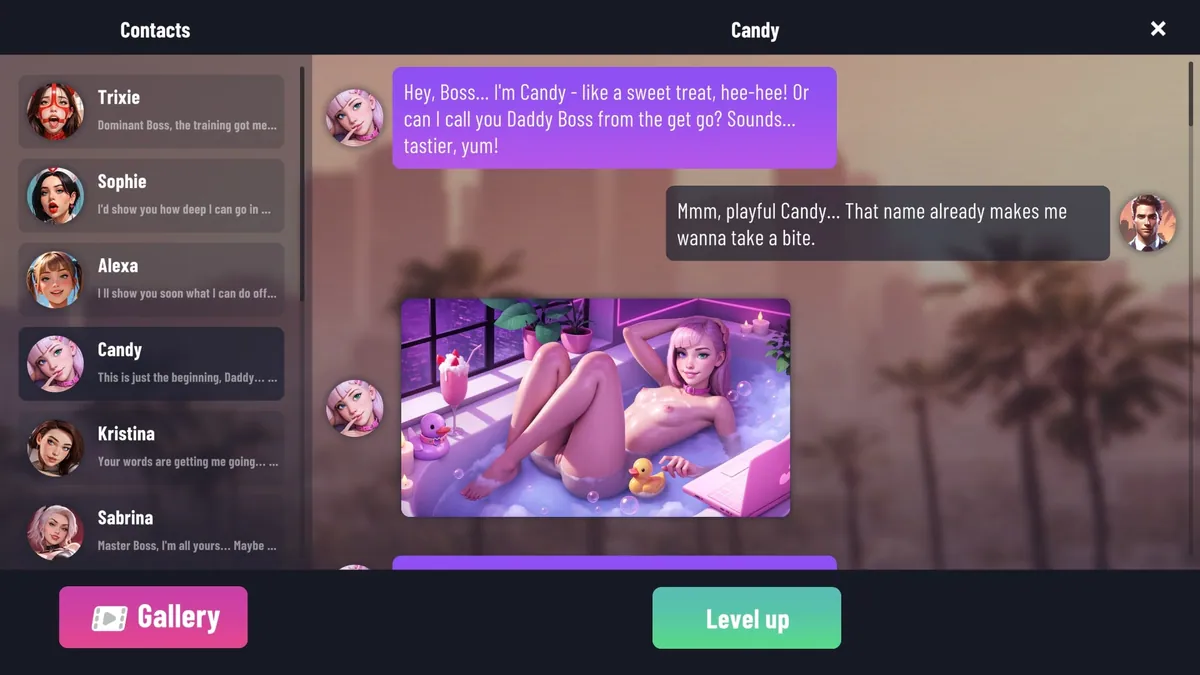
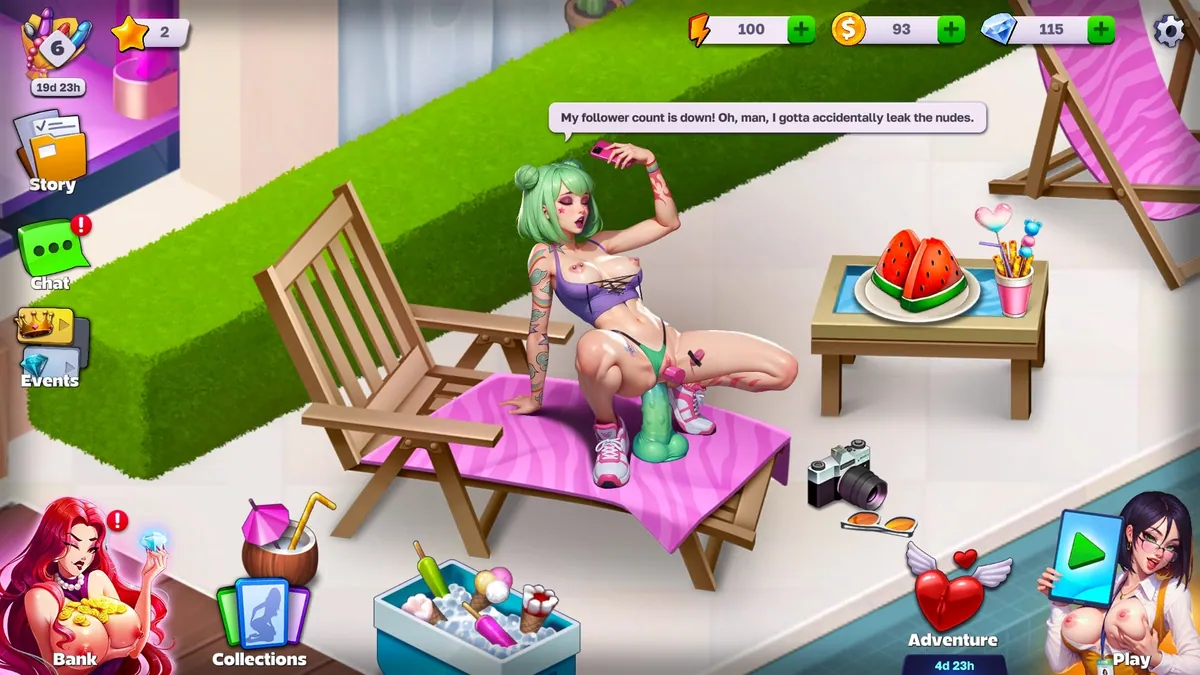
The story layer is doing more work than in most merge titles. It is tagged Story Rich and the writing plays the producer premise as comedy rather than taking itself seriously, with a cast large enough that progression keeps introducing someone new.
Two reasons to skip it. First, this is a merge game and merge games are ultimately about waiting for generators — if that structure irritates you, no amount of story fixes it. Second, it carries the AI Generated Content tag, so some of the art is machine-produced and quality varies visibly between assets. Neither is hidden, but both are easier to know now than four hours in.
Fourteen interface languages including Polish is unusually thorough for the category.
How Passion Industry actually plays
The board is the engine. Items sit on a grid, two identical items merge into one of the next tier, and quests demand specific items at specific tiers. Everything else in the game is a reason to work the board.
Space is the constraint and therefore the actual puzzle. Generators occupy slots, produced items occupy slots, and a grid clogged with low-tier clutter cannot advance any chain. Playing well is mostly inventory discipline — clearing aggressively rather than hoarding things you might want later.
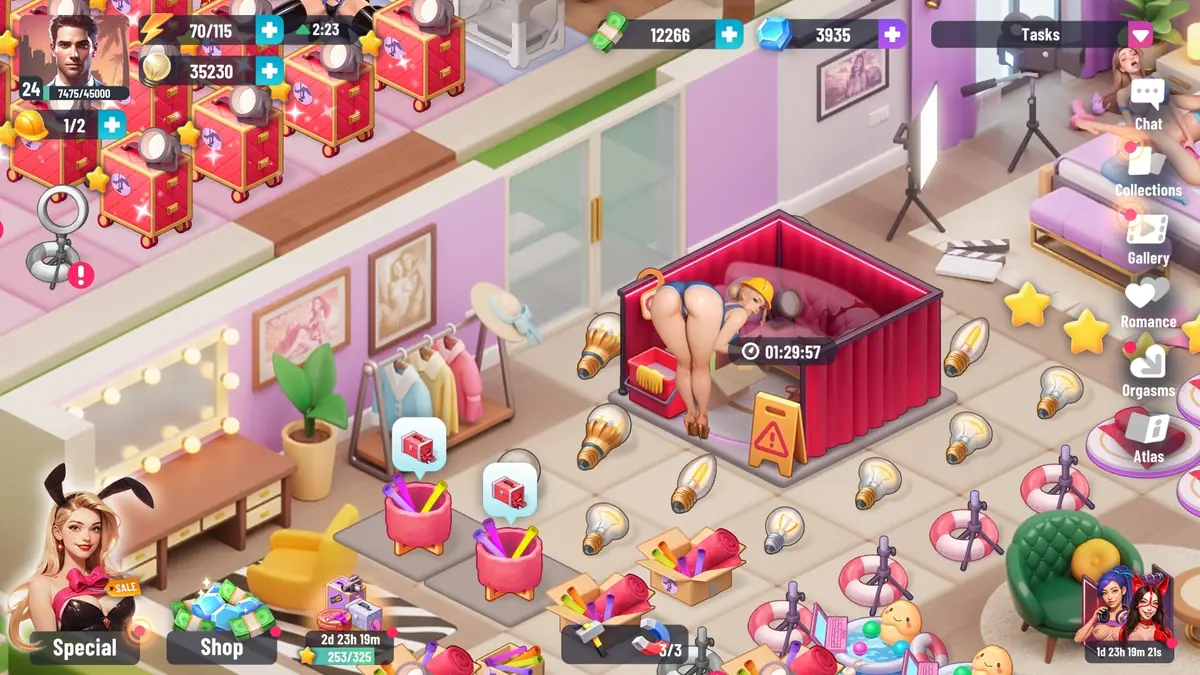
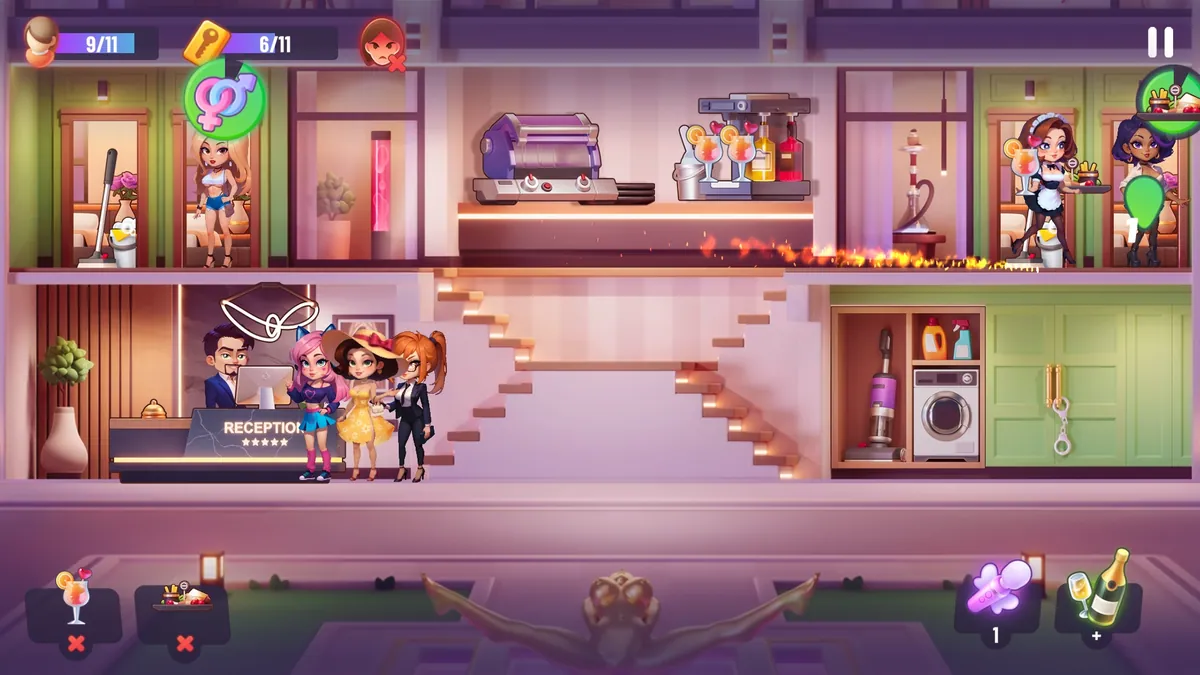
Progression runs through building out the studio: unlock locations, upgrade them, and advance the roster of performers who arrive as you go. Each quest names what it wants, so you always know the target and roughly how far away it is. That readability is what keeps merge games from feeling aimless, and this one gets it right.
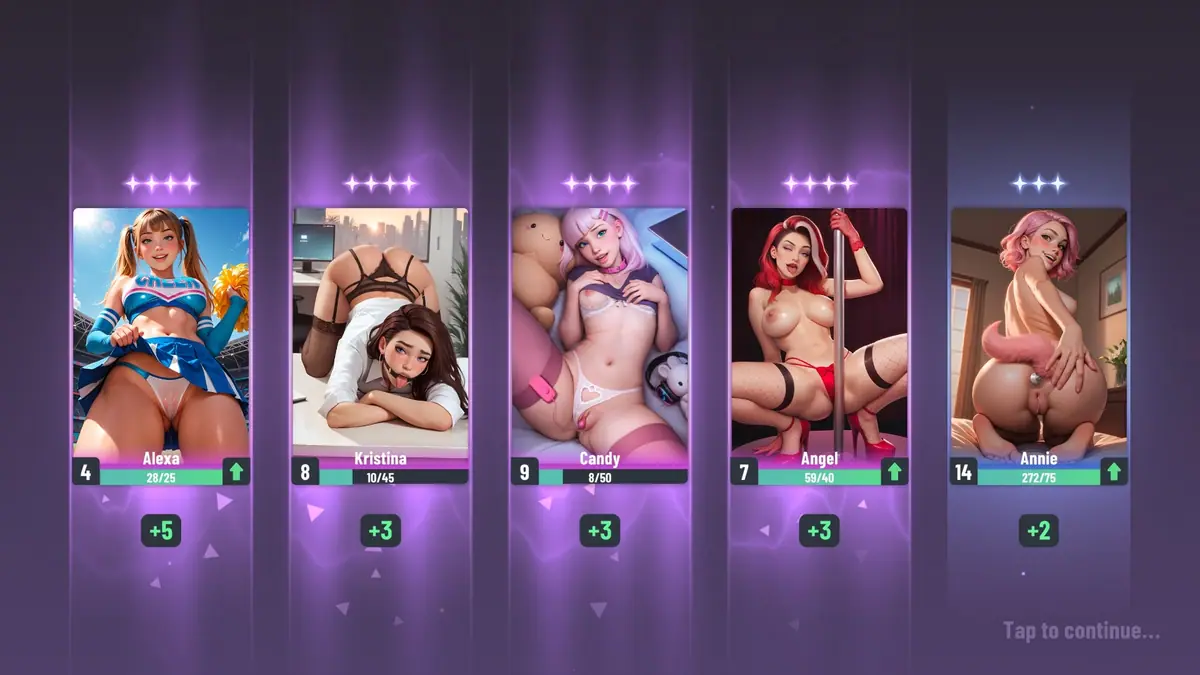
The collection layer sits alongside — characters accumulate with their own progression tracks and scenes attached, which is the long-term reward for staying past the point where the merging itself stops surprising you.
The CCG tag is misleading. There is a collection, but there is no deck construction and no card combat; the mechanic is merging, full stop.


What the free version really gets you
Passion Industry is free to play and monetises the two things merge games always monetise: board space and time. Premium currency buys generator charges, extra storage, and occasionally a direct item grant that skips a chain you would rather not build by hand.
The first hours are comfortable. Generators hand out enough to keep the board moving and quests arrive quickly enough that progress feels continuous.
The slowdown is gradual rather than a wall. Quests start naming items several tiers up, each tier doubles the inputs beneath it, and generator output stays flat. The practical result is that a session shifts from twenty minutes of merging to five minutes of merging followed by waiting. Nothing locks; the pace simply drops until patience or money resolves it.
There is no player-versus-player mode, so nobody else's spending affects your game. That makes this pay-to-accelerate in the cleanest sense — you are buying back your own time and no one is beating you with a credit card.
If you do spend, storage outlasts everything else. Space is the permanent constraint in a merge game; generator energy is consumed the moment you use it.
Passion Industry vs. the alternatives
| Game | Core loop | Free content ends | Pay-to-win? | Pick it if |
|---|---|---|---|---|
| Passion Industry | Merge identical items up through tiers to fill studio quests; board space is the limiting resource. | No hard stop. Sessions shorten steadily as quests demand higher tiers while generator output stays flat. | No competitive mode at all — purely pay-to-accelerate. | You want a merge loop with an actual story and a large cast attached. |
| Horny Villa | The same merge fundamentals wrapped in mansion renovation rather than studio management. | Very similar curve; the quest track is comparable in length. | Pay-to-accelerate. | You prefer the renovation framing and want no AI-generated art. |
| Kink Inc. | Tycoon management with staff and facilities instead of a merge board. | Later — income scales with several variables rather than flat generator output. | Pay-to-accelerate. | You like the business framing but find merge boards fiddly. |
Questions people actually ask
Is Passion Industry a merge game or a card game?
A merge game. The publisher describes it as one and the entire loop is combining two identical items into the next tier. It carries a CCG tag, but there is no deck construction and no card combat anywhere in it.
Does Passion Industry use AI-generated art?
Partly — it carries the AI Generated Content tag, and quality varies noticeably between assets as a result. Worth knowing before you invest hours, whether that matters to you aesthetically or on principle.
Is Passion Industry pay to win?
There is no competitive mode, so no other player's spending can cost you anything. Money buys generator energy and storage space, which is pay-to-accelerate in the cleanest sense of the term.
Why has my Passion Industry board stopped progressing?
Almost always because it is full of low-tier clutter. Every item takes a slot and a choked grid cannot advance any chain. Clearing aggressively beats hoarding items for a quest that has not appeared yet.
What should you buy first in Passion Industry?
Storage upgrades ahead of energy refills. Space is the permanent constraint in a merge game, while energy disappears the moment you spend it.
What languages does Passion Industry support?
Fourteen, including English, German, Russian, Portuguese, Brazilian Portuguese, Japanese, Italian, French, Spanish, Chinese, Romanian, Turkish and Polish — unusually broad for this catalogue.
If you like Passion Industry, try these


Filed under Casual · AI Generated Content · Animated Sex · BDSM · Big Ass · Big Breasts · Bondage